
Best Vitamin C Serum for
Oily Skin in Qatar
Living in Qatar means dealing with heat, sun, sweat, and dust almost every day. For people with oily skin, this often leads to acne marks, dullness, open pores, and uneven tone. The good news is that the right vitamin C serum can help improve oily skin without making it greasy.
If you are searching for the best vitamin C serum for oily skin in Qatar, this guide will help you choose the right one and use it correctly in our climate.
Why Vitamin C Serum Excels for Oily Skin in Qatar
Qatar’s hot, humid weather ramps up sebum production, leading to shiny T-zones, clogged pores, and breakouts, while relentless UV exposure causes hyperpigmentation and weakens the skin barrier. Vitamin C serums counteract this by acting as a powerful antioxidant, neutralizing free radicals from sun and pollution that dull oily skin and worsen acne scars. Unlike heavy creams, lightweight formulas brighten complexion, fade post-acne marks by inhibiting melanin production, refine enlarged pores through gentle collagen stimulation, and balance oil without residue, making them ideal for daily use in Doha’s challenging environment. Studies show consistent use improves skin radiance by 20-30% in humid climates, preventing the greasy feel that plagues oily skin types.
Key Vitamin C Benefits Tailored to the Qatar Climate
Qatar’s year-round intense UV index (often 10+) accelerates dark spots and photoaging, but vitamin C reduces UV-induced damage by up to 40% when paired with sunscreen. Constant heat and sweating compromise the skin’s moisture barrier, leading to irritation; vitamin C strengthens it, promoting faster repair and hydration without oiliness. Dust storms and urban pollution settle into pores, causing dullness—vitamin C’s clarifying action restores even tone and vitality. For oily skin, it curbs excess sebum oxidation (which turns oil rancid and breakout-prone), maintains firmness by boosting collagen lost to environmental stress, and smooths texture for a matte, healthy glow. These benefits shine in Qatar, where outdoor exposure is common for expats and locals alike.
Best Serum Types for Oily Skin in Hot Weather
Opt for water-based, gel-textured, or oil-free vitamin C serums to avoid exacerbating shine in humidity. Concentrations of 10-15% L-ascorbic acid (the most potent form) or stable derivatives like ascorbyl glucoside or ethyl ascorbic acid penetrate quickly without stickiness.
Look for pairings with niacinamide (for pore minimization and oil control), salicylic acid (for acne prevention), or hyaluronic acid (light hydration). Avoid silicones or emollient-heavy bases; fast-absorbing pumps in dark/opaque bottles preserve potency against Qatar’s heat, ensuring efficacy for 3-6 months.
How Vitamin C Transforms Oily Skin Concerns
Oily skin in Qatar battles acne marks from sweat-mixed sebum, sun-triggered uneven tone, visible pores from constant oil, and pollution-induced dullness. Vitamin C targets these by lightening hyperpigmentation, evening complexion, supporting collagen to tighten pores, and providing antioxidant defense—resulting in clearer, brighter skin without greasiness. Clinical data confirms it reduces blemish visibility by 25-50% over 8-12 weeks, making it a staple for acne-prone users who thought serums were too heavy.
Top Vitamin C Serum Picks at PharmaCare Pharmacy
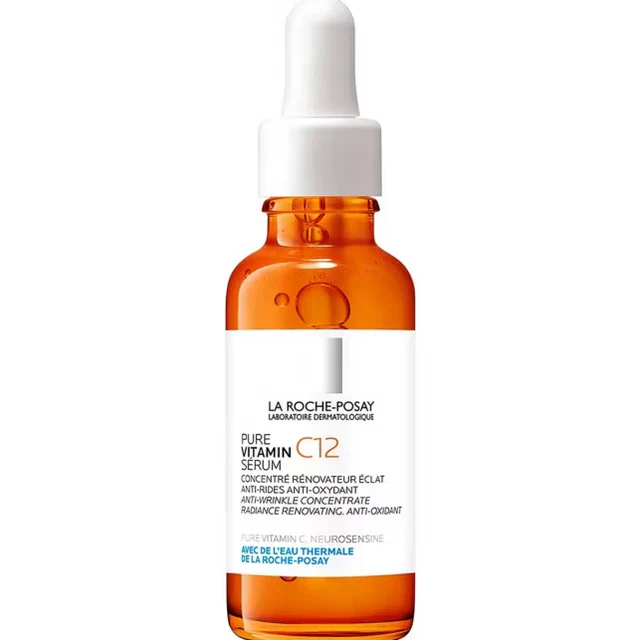
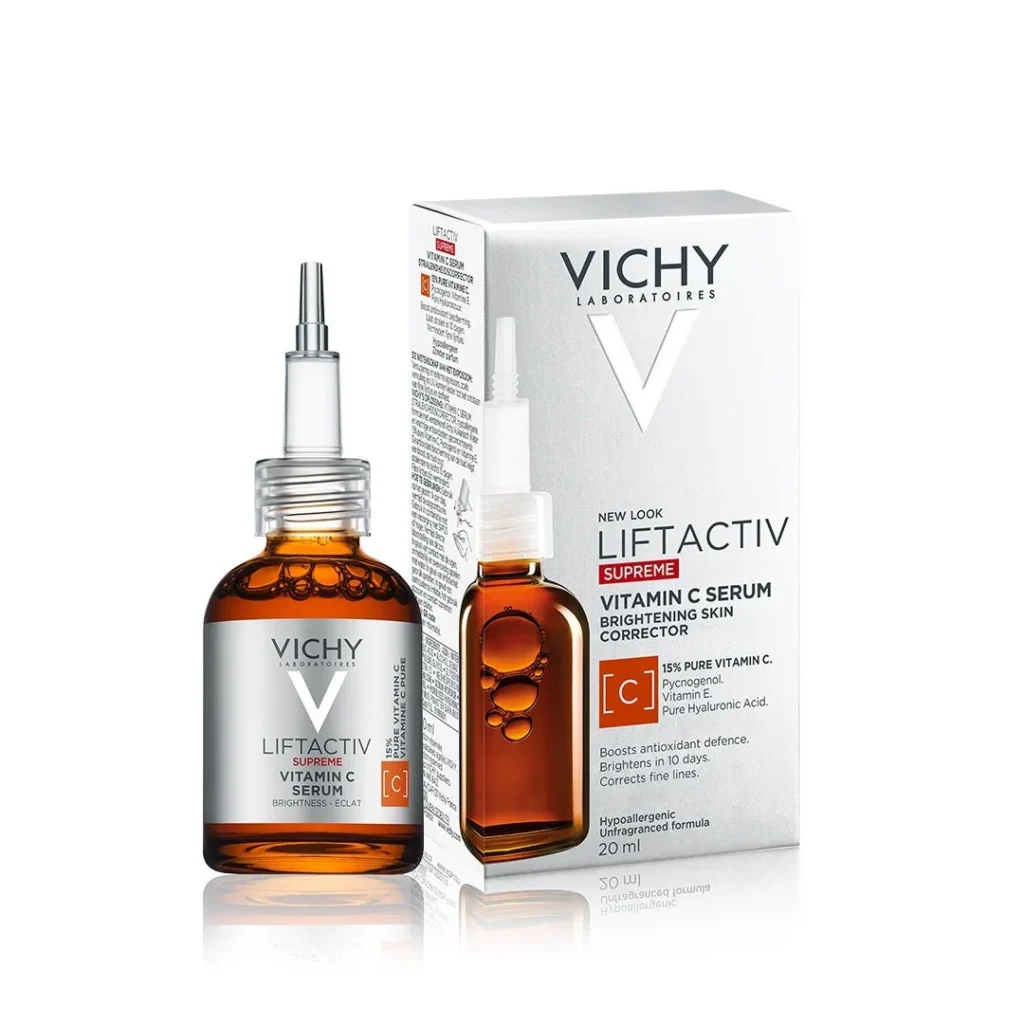
PharmaCare curates lightweight, climate-stable vitamin C serums perfect for oily skin. Budget options (40-80 QAR) like 10% formulas with mandarin or hyaluronic acid deliver overnight brightening and mark-fading for beginners. Mid-range (90-160 QAR) 12% pure vitamin C with salicylic acid tackles pores and acne while absorbing instantly. Premium (170-350 QAR) 15% L-ascorbic blends with ferulic acid offer pro-level oil control and pigmentation repair. PharmaCare staff provide free skin consultations to match your needs, with heat-resistant stock always fresh.
|
Serum Type
|
Key Ingredients
|
Best For
|
Texture
|
Expected Results
|
|---|---|---|---|---|
|
Budget 10% Vitamin C
|
Pure C, hyaluronic acid
|
Dullness, daily use
|
Non-greasy gel
|
Brighter tone in 2 weeks
|
|
Mid-Range 12% Pure C
|
C, salicylic acid, niacinamide
|
Acne marks, pores
|
Silky, matte finish
|
Reduced oiliness in 4 weeks
|
|
Premium 15% L-Ascorbic
|
C, ferulic acid, antioxidants
|
Pigmentation, oil control
|
Ultra-lightweight
|
Clearer skin in 8 weeks
|
Choosing the Right Serum at PharmaCare
Select 10-15% strength for efficacy without irritation, oil-free labels for shine-free wear, and pump packaging to block light/heat degradation. PharmaCare verifies authenticity, offers testers, and recommends based on your acne history or sensitivity—prioritizing Qatar-suited stability.
Optimized Qatar Skincare Routine
Morning: Cleanse with oil-control gel, pat 2-3 drops vitamin C serum onto damp skin, wait 1-2 minutes, apply lightweight gel moisturizer, seal with SPF 50+ PA++++. Evening: Cleanse, optional niacinamide serum, then light moisturizer. Start 3x/week; build to daily. Online pharmacy Qatar bundles make it easy.
Mistakes to Avoid with Oily Skin
Common pitfalls include heavy layering (causes pilling in heat), skipping SPF (increases sensitivity), over-application (wastes product), mixing actives like retinol initially, or bathroom storage (heat oxidizes C). Use sparingly, refrigerate extras, and track via weekly photos for 4-8 week progress.
Who Should Shop for Vitamin C at PharmaCare
Ideal for oily/acne-prone Qataris with post-acne marks, sun spots, dullness from commutes, or frequent outdoor workers. Men benefit for shave irritation; women for an even tone. Safe for ages 18+, with patch-testing advised.
Frequently Asked Questions (FAQs)
Best time for vitamin C in Qatar’s sun?
Mornings under SPF for UV protection; evenings for repair if no retinol.
Can vitamin C serum work for very oily, acne-prone skin in Qatar?
Absolutely—oil-free gels reduce sebum oxidation and marks without clogging, thriving in humidity.
How many drops for oily skin?
2-3 drops max—spreads easily, prevents waste in heat.
PharmaCare heat-stable options?
Yes, pump-bottled, stable formulas; ask staff for oily skin matches.
Results timeline for marks?
Fading starts at 2-4 weeks; optimal at 8-12 weeks with consistency.
Does it make skin greasy here?
No, water-based options mattify; test textures at PharmaCare.